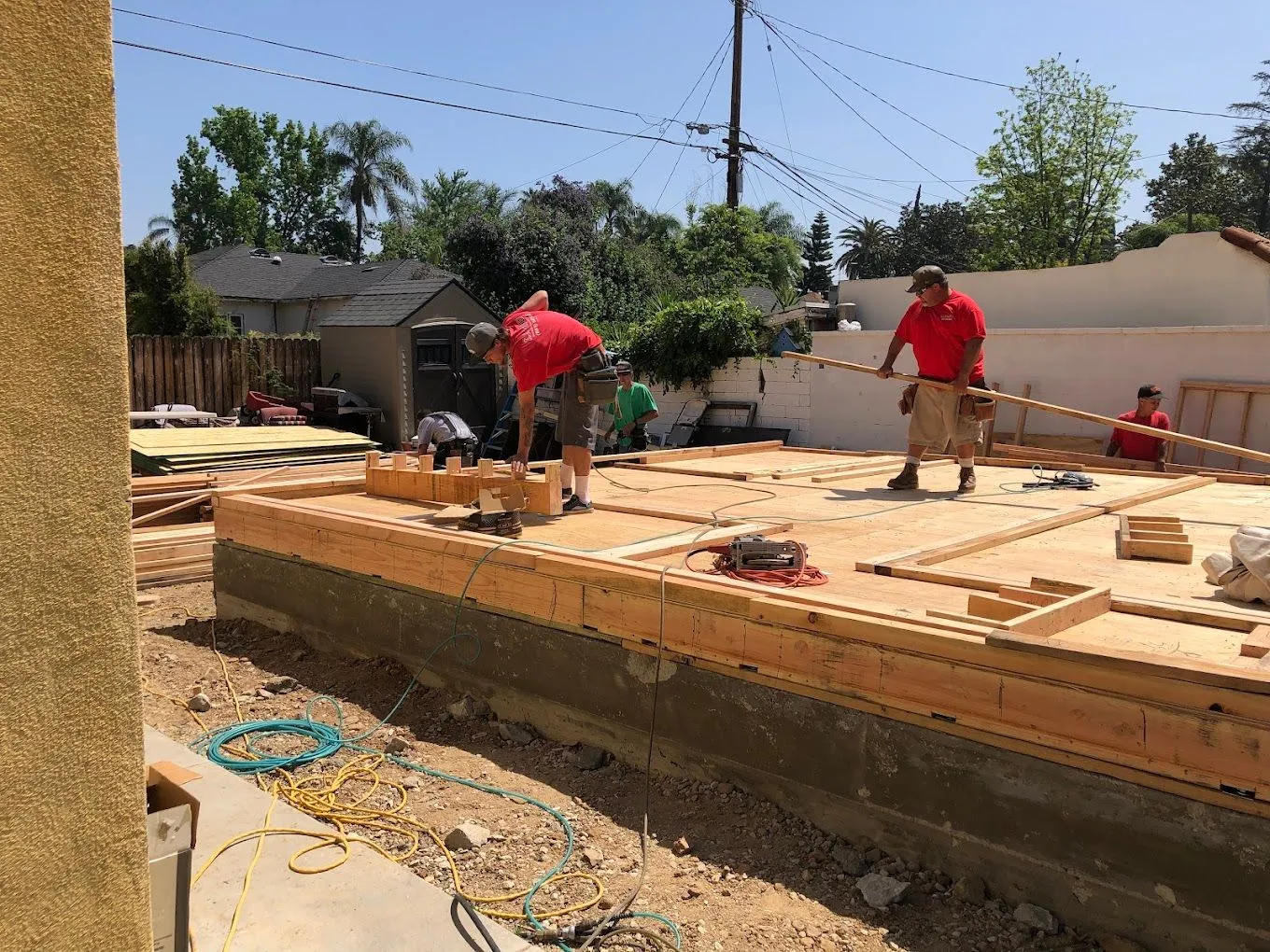
Chino Hills is a stay-put city, so additions here make more sense than moving, and ADU demand along the 71 corridor is climbing fast. The main options are a master-suite addition, a great-room extension, a second-story build, or a detached ADU. Each needs City of Chino Hills permits, structural engineering, and, in most neighborhoods, HOA architectural review. On hillside lots the terrain adds foundation work; on second stories the load path is the hard part.
Chino Hills is the kind of place people move to and then stay. Families put down roots in the master-planned neighborhoods, kids grow up here, and homes change hands slowly because nobody wants to leave. That is exactly why home additions are such a strong fit for this city. When a family outgrows the floor plan but not the neighborhood, adding square footage to a well-located home almost always beats chasing a bigger house in a market where good lots are scarce. This guide walks through the addition options, the approvals, and what the Chino Hills terrain adds to each.
Why Additions Beat Moving in Chino Hills
The math favors staying. A Chino Hills home in a good neighborhood carries value that a comparable home elsewhere may not, and the cost and disruption of selling, buying, and relocating is significant. Adding the space you actually need, a master suite, a great room, a second unit, lets you keep the location, the schools, and the neighbors while solving the space problem. For a family committed to the community, an addition is usually the more sensible investment.
The housing stock works in your favor too. Most of Chino Hills went up in a compressed run through the late 1980s and 1990s, built by a handful of production builders repeating a handful of floor plans. Ben has spent 35 years working on Inland Empire homes of exactly this vintage, and the odds are good he has already opened up a plan like yours somewhere nearby. That familiarity means fewer surprises behind the drywall, a more honest schedule, and a quote built on what is actually in the walls rather than optimistic guessing.
The 71 Corridor and the ADU Surge
The fastest-growing addition category we quote in Chino Hills right now is the detached ADU, and the location is a big reason why. Chino Hills sits right along the 71 corridor with quick access to the wider region, which makes it attractive for multi-generational households and for owners who want long-term rental income from a second unit on the lot. California’s ADU laws have made a detached unit more permissible than at any point in the past, and demand here reflects it.
A well-built ADU serves several needs at once: a place for an aging parent, a home for a grown kid, dedicated work-from-home space, or a rental. On a Chino Hills lot near the corridor, it is one of the highest-value additions a homeowner can make. The city still requires plan review, setback compliance, and utility connections, and we manage that whole process from design through final sign-off.
What makes a lot ADU-ready is worth checking early. We look at side-yard access for the crew and the utility trenching, where the sewer lateral runs, and whether the electrical panel has the capacity to feed a second unit or needs an upgrade first. We also plumb the new unit with the local water in mind, because Chino Hills’ hard water is rough on fixtures and tankless heaters, and a conditioning loop planned now is far easier than one retrofitted after the walls close. Ten minutes on the lot with Ben answers most of these questions before the design work even starts.
The Four Main Addition Types
A master-suite addition adds a spacious bedroom, a private full bathroom with a walk-in shower, and a walk-in closet, sometimes with a sitting area or office. We match the rooflines and finishes so it reads as original to the home. A great-room extension opens to the backyard, integrates with the existing kitchen, and becomes the new heart of the house, and on the view lots above Carbon Canyon it captures the hillside and city-light outlook the neighborhood is prized for.
A second-story addition adds space without using lot area, which matters on tighter Chino Hills parcels, but it is the most structurally involved option. And a detached ADU creates an independent unit for family or rental. Which one fits depends on your lot, your goals, and your budget, and the in-home consultation with Ben is where we sort out the right path.
Building Up: The Load-Path Challenge
When a Chino Hills family chooses to add up instead of out, the engineering gets serious. A second story has to carry its new weight all the way down through the existing walls and into a foundation that was poured for a single story. That usually means opening up sections of the ground floor to verify what is actually under the finishes, adding posts or a beam line to create a continuous load path, and reinforcing footings that were never sized for the load above them.
This is advanced work, and it is exactly where Ben’s 35 years matter. The difference between a second story that feels solid and one that bounces or cracks is all in load paths a homeowner never sees. It is not a place to cut corners or hire the lowest bidder, because the consequences show up years later and are expensive to fix.
Hillside Terrain and HOA Review
On the hillside and Carbon Canyon lots, the terrain itself adds engineering. An addition stepping down a grade needs footings and a foundation designed for the slope, not a flat-lot detail stretched to fit. We plan the drainage so runoff sheds away from the new foundation rather than undermining it over the wet seasons.
Then there is the HOA. The gated and master-planned tracts near Vellano, Rincon, and the communities off Pomona Rincon Road almost always require architectural review for an addition. Those boards want to see how the new space reads against the existing home before they sign off. We prepare the drawings and material specs the association expects alongside the engineered city plans, so both approvals move together instead of one stalling the other. Getting both moving at once is the difference between breaking ground on schedule and sitting a month in committee.
Living Through the Build
The good news on disruption is that with an addition, the messy part comes last. For the first stretch the work is outside, foundation, framing, roofing, and exterior finish on the new space, while your existing home runs normally. The kitchen, the bedrooms, and the daily routines all keep working. Only when we break through to connect the new space does the interior get touched, and we seal that work off with plastic and dust barriers and move through it fast. Ben lays out exactly which weeks will feel disruptive so nothing about the schedule catches you off guard. Read more on our Chino Hills home additions page.
Common Questions
Do you build ADUs in Chino Hills?
Yes, and it is one of our fastest-growing categories here. Chino Hills’ spot along the 71 corridor drives strong demand for multi-generational and rental ADUs. California ADU law has streamlined permitting, but the city still requires plan review, setback compliance, and utility connections. We manage the entire process from design through final sign-off.
Is a second-story addition harder than building out?
It is more involved. A second story has to carry its weight down through the existing walls into a foundation built for one story, so we verify what is under the finishes, add posts or a beam line for a continuous load path, and reinforce footings where the engineer calls for it. Building out is simpler structurally but needs the lot space.
Will my Chino Hills HOA approve the addition?
Most Chino Hills neighborhoods run an architectural review process, especially the gated and master-planned tracts near Vellano and Rincon. We prepare the drawings and material specs those boards expect and submit them alongside the engineered city plans so both approvals move together.
How long does a Chino Hills home addition take?
A master-suite addition typically runs four to six months. A great-room addition runs five to seven months. A second-story addition runs six to nine months, and a detached ADU runs five to eight months. Permits, engineering, and HOA review add several weeks up front before ground breaks.
Can I stay in the home during construction?
Almost always yes. An addition is mostly exterior work for the first stretch, foundation, framing, roofing, and exterior finish, all of which happen while your existing home runs normally. The interior connection comes last, and we seal that work off and move through it quickly.
Does my HOA get a say on a Chino Hills ADU?
Less than it used to. State ADU law sharply limits what an association can prohibit, so a board cannot simply say no to a code-compliant unit. Most Chino Hills boards still run design review on exterior finish, color, and roofing, and we submit those specs alongside the engineered city plans so both approvals move together.
Ready for Your Chino Hills Home Addition?
Free in-home consultation with Ben Pickering. 35 years of Inland Empire craftsmanship.
Get Free Quote Call (909) 227-4193Read more on our Chino Hills Home Additions page, see our work in Chino Hills, browse the project gallery, or learn about Ben and the team.