Wood Balcony Construction & Repair
SB 721 and SB 326 compliant balcony construction, inspection, and structural repair. 35 years of elevated platform expertise in the Inland Empire.
Balcony Safety Is Not Optional in California
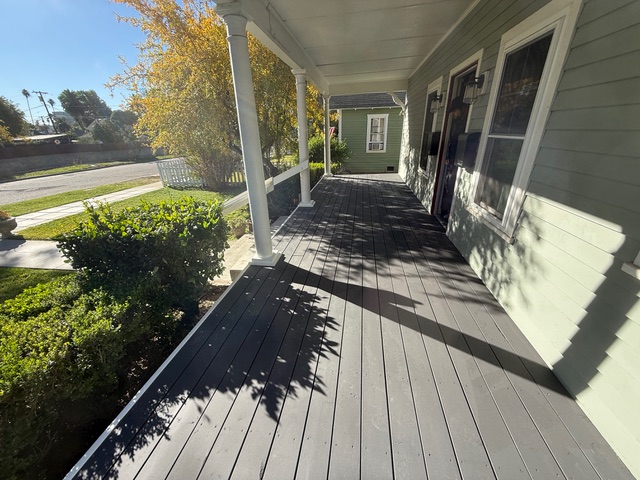
Wood balconies are among the most safety-critical structures on any residential property. An elevated platform supported by cantilevered joists, bearing connections, and structural hardware must be designed, built, and maintained to exact standards — because the consequences of failure are catastrophic. California recognized this urgency with the passage of Senate Bill 721 and Senate Bill 326, landmark legislation that mandates regular inspection and repair of exterior elevated elements on multifamily buildings. These laws were prompted by the tragic 2015 Berkeley balcony collapse that killed six young people.
BPP Construction has been building, repairing, and inspecting wood balconies throughout Riverside and San Bernardino counties for 35 years. We understand the structural engineering that goes into a safe balcony, the waterproofing systems that protect it from moisture-driven deterioration, and the California code requirements that govern every aspect of its construction. Whether you need a new balcony built from scratch, a complete structural rebuild of a failing balcony, or SB 721/SB 326 inspection and remediation work, our team delivers code-compliant results backed by three decades of hands-on experience.
Ben, the owner of BPP Construction, personally evaluates every balcony project before work begins. His 35 years of field experience enable him to identify structural deficiencies that less experienced contractors might miss — concealed moisture damage in ledger connections, corroded joist hangers, inadequate bearing at support points, and waterproofing failures that have allowed water to compromise structural wood members over years of undetected exposure.
Understanding SB 721 & SB 326
Senate Bill 721 (Multifamily Buildings)
SB 721 requires owners of multifamily buildings with three or more dwelling units to have exterior elevated elements — including balconies, decks, walkways, and stairways — inspected by a licensed contractor, architect, or structural engineer. The initial inspection deadline was January 1, 2025, with follow-up inspections every six years. If the inspection reveals conditions that pose an immediate threat to safety, emergency repairs must be initiated within 180 days. BPP Construction provides both the inspection services to identify deficiencies and the construction expertise to perform the required repairs.
Senate Bill 326 (Condominiums)
SB 326 applies specifically to condominium associations and requires inspection of exterior elevated elements by a licensed structural engineer or architect. The initial deadline was January 1, 2025, with inspections repeated every nine years. Unlike SB 721, SB 326 requires the inspector to be a licensed design professional. However, the actual repair work that follows must be performed by a licensed contractor — and that is where BPP Construction steps in. We work directly with structural engineers and architects to execute their repair recommendations with precision and full code compliance.
- SB 721 inspection and remediation services
- SB 326 repair work per engineer specifications
- Waterproofing system replacement
- Structural joist and ledger replacement
- Railing code compliance upgrades

Balcony Construction & Repair Process
Whether building new or repairing existing, every balcony project follows a methodical process that prioritizes structural integrity and waterproofing above all else. Cutting corners on a balcony is not something we will ever do.
Structural Assessment
We evaluate the existing structure — or design the new one — by inspecting joists, ledger connections, bearing points, waterproofing membranes, flashing, and hardware. For repairs, we open up concealed areas to determine the full extent of damage before quoting the work.
Engineering & Permits
We prepare structural plans or work from the engineer’s specifications (for SB 326 projects), pull permits, and coordinate with the building department. Our established connections with Riverside and San Bernardino County officials streamline this process.
Build & Waterproof
We replace or install structural members, apply code-compliant waterproofing systems, install proper flashing and drainage, set railings to current height and spacing requirements, and obtain final building department inspection sign-off.
Waterproofing, Railings & Structural Safety
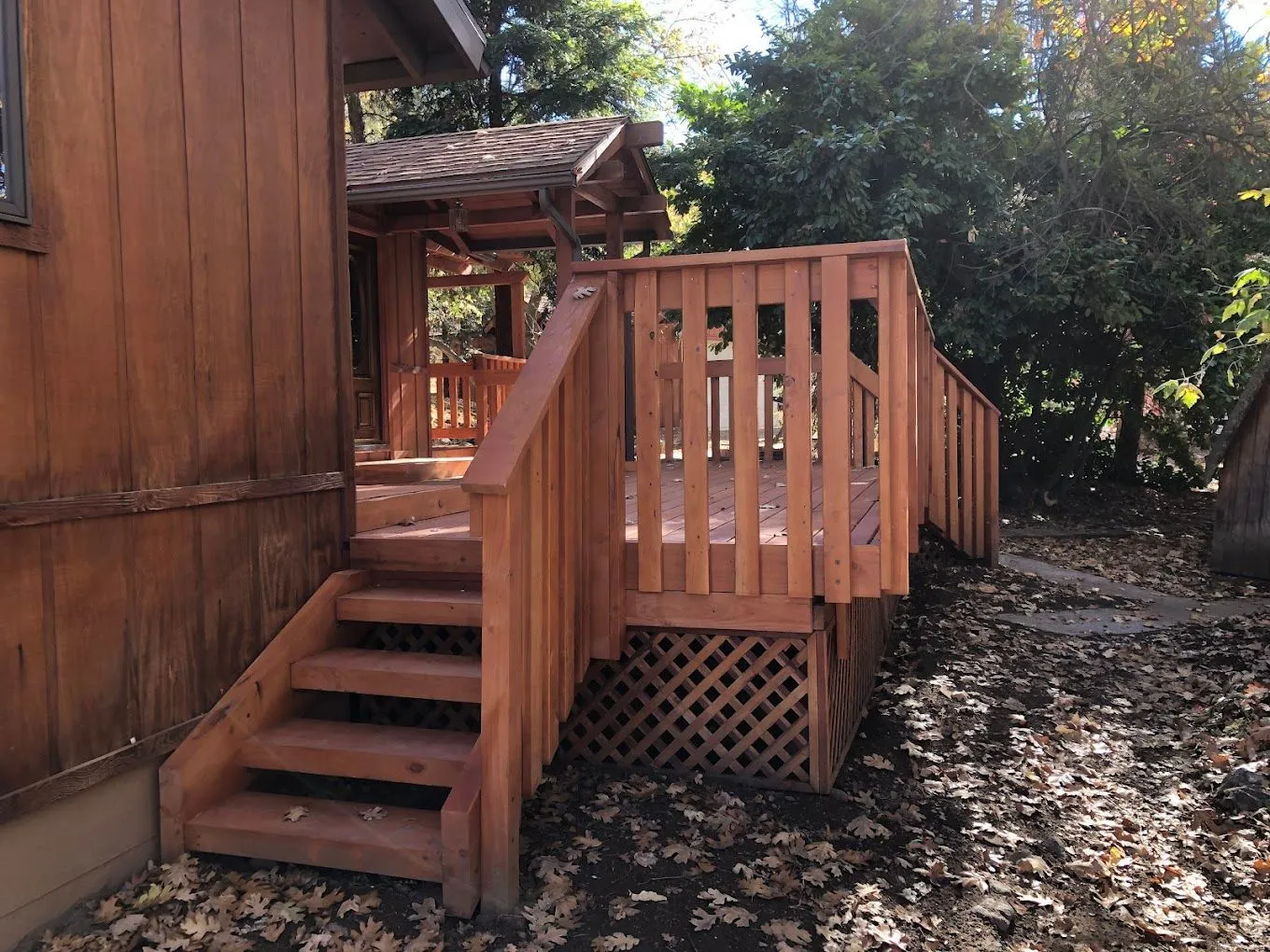
The number one enemy of wood balconies in Southern California is trapped moisture. While the region’s climate is dry overall, morning dew, occasional rain, irrigation overspray, and improperly pitched surfaces can introduce water that becomes trapped between the walking surface and structural joists below. Without a properly installed waterproofing membrane and drainage system, this trapped moisture causes progressive wood rot that weakens joists, ledger connections, and bearing points over months and years — often invisibly, beneath the surface.
BPP Construction installs balcony waterproofing systems that include a code-compliant membrane over all structural surfaces, properly lapped flashing at the ledger-to-wall connection, positive drainage slope away from the building, and scuppers or drains that direct water off the balcony surface. These systems prevent the moisture accumulation that causes the structural deterioration California’s balcony inspection laws were designed to address.
California Building Code requires balcony railings to be a minimum of 42 inches high for residential applications, with balusters spaced no more than four inches apart. The railing system must resist a minimum 200-pound concentrated load applied at the top rail in any direction, and a 50-pound-per-linear-foot distributed load along the top rail. BPP Construction installs railings that meet or exceed these requirements using properly sized posts, structural-grade top rails, and code-compliant connections to the balcony framing.
Balcony-Related Expertise
Balcony issues often overlap with exterior wood repair needs and home insurance requirements. BPP Construction offers complementary services that address the full scope of your property’s structural and compliance needs.
Wood Exterior Repair
Siding, trim, eaves, fascia, and structural wood restoration. If your balcony damage extends to adjacent exterior elements, we repair it all as one coordinated project with consistent quality and materials.
Learn More →Home Insurance Inspection
Detailed property inspections with photographs and structural assessments that satisfy insurance company requirements. If your insurer flagged balcony concerns, we provide the documentation and repair work needed for compliance.
Learn More →Wood Replacement
When balcony damage is limited to specific structural members — a rotted joist, a corroded ledger, or failed bearing posts — targeted wood replacement restores integrity without full reconstruction.
Learn More →Wood Balcony FAQs — California Building Code
Does SB 721 apply to my property?
SB 721 applies to buildings with three or more multifamily dwelling units that have exterior elevated elements (balconies, decks, walkways, or stairways) made of wood or wood-based materials. If your building falls into this category, you are required to have those elements inspected by a licensed contractor, architect, or structural engineer. The initial inspection deadline was January 1, 2025, with subsequent inspections required every six years. Single-family homes and duplexes are exempt from SB 721, though they still must comply with general California Building Code requirements for structural safety. If you are unsure whether your property is subject to SB 721, call BPP Construction at (909) 227-4193 and we will help you determine your obligations.
What is the minimum railing height for balconies in California?
California Building Code requires guardrails on residential balconies to be a minimum of 42 inches high, measured from the walking surface to the top of the rail. Balusters (the vertical members between the top and bottom rail) must be spaced no more than four inches apart to prevent a child from passing through. The railing must resist a concentrated load of 200 pounds applied at any point along the top rail and a distributed load of 50 pounds per linear foot. BPP Construction installs all railings to meet or exceed these requirements using structural-grade lumber, properly sized posts, and code-approved connections to the balcony framing system.
How can I tell if my balcony has structural damage?
Warning signs of balcony structural deterioration include soft or spongy areas in the walking surface, visible staining or discoloration on the underside of the balcony, cracking or separation where the balcony meets the building wall, loose or wobbly railing posts, peeling paint or bubbling surfaces that indicate trapped moisture, and sagging or visible deflection in the balcony floor. Many of the most dangerous conditions, however, are invisible from the surface — concealed moisture damage in ledger connections, corroded joist hangers, and rot inside structural members that still look intact on the outside. A professional assessment by BPP Construction includes probing structural members, checking hardware connections, and evaluating waterproofing systems to identify both visible and concealed deficiencies.
What waterproofing does California code require for balconies?
California Building Code requires all exterior elevated wood-framed elements to incorporate a waterproofing system that prevents moisture from reaching structural members. This includes a code-compliant waterproofing membrane installed over all structural surfaces, properly lapped flashing at ledger-to-wall connections, positive drainage slope (typically a minimum of one-quarter inch per foot) directing water away from the building, and adequate drainage outlets. The waterproofing membrane must be compatible with the walking surface material and must be installed with proper overlap at seams. BPP Construction installs complete waterproofing systems on every balcony project, using products and techniques that meet current California code requirements and manufacturer specifications.
How long does a balcony repair or replacement take?
Timeline depends on the scope of work. Targeted repairs — replacing a few damaged joists, upgrading hardware, or installing new waterproofing — typically take one to two weeks. A complete balcony replacement, including demolition, structural framing, waterproofing, decking, and railing installation, generally takes two to four weeks from permit approval to completion. Multi-unit SB 721 remediation projects involving several balconies on the same building may take four to eight weeks depending on the number of units affected. BPP Construction provides a detailed project timeline during the assessment phase and maintains consistent communication throughout the work. Contact us at (909) 227-4193 to schedule your assessment.
Do I need a permit to repair or replace a balcony in Riverside County?
Yes. Any structural repair or replacement of a balcony requires a building permit in Riverside County and throughout California. This includes replacing joists, ledger boards, bearing posts, and railing systems. The permit ensures that the repair meets current California Building Code requirements and that the work is inspected by the building department upon completion. BPP Construction handles the entire permit process for every balcony project — from plan preparation and application submission through scheduling inspections and obtaining final sign-off. Our established relationships with building officials across Riverside and San Bernardino counties help keep the process efficient and minimize delays.
What is the difference between SB 721 and SB 326?
Both laws address the inspection and maintenance of exterior elevated elements on residential buildings, but they apply to different property types. SB 721 applies to multifamily buildings with three or more units, allows inspection by a licensed contractor, architect, or structural engineer, and requires inspections every six years. SB 326 applies specifically to condominium associations, requires inspection by a licensed structural engineer or architect (not a contractor), and mandates inspections every nine years. In both cases, if the inspection reveals conditions posing an immediate safety threat, repairs must begin within 180 days. BPP Construction performs the inspection services under SB 721 and executes repair work under both SB 721 and SB 326 per the design professional’s specifications.
Protect Your Property with a Safe Balcony
35 years of balcony expertise. SB 721 and SB 326 compliant. Fully permitted and inspected to California code.
(909) 227-4193 ben.bpp@gmail.com Request a Free QuoteWhere We Work
Based in Riverside, CA, serving homeowners across Riverside and San Bernardino counties.